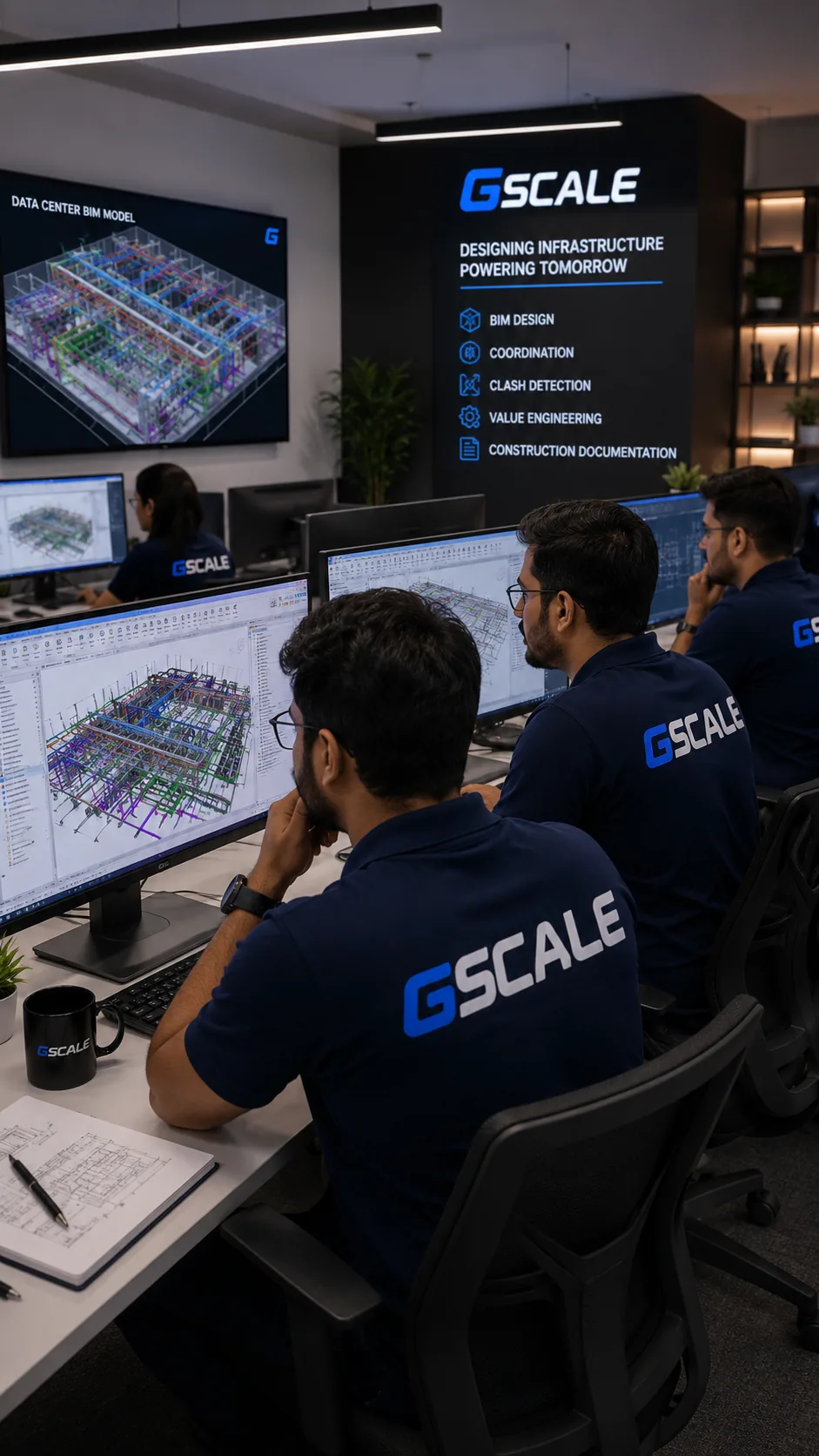
GScale is an integrated advisory, design and engineering platform for AI datacenters — one team from the first site check to the final construction drawing. Specialists in optimizing cost per MW.
Advise, design and optimize CapEx with one team — from the first idea to the final cost. We take waste out of every part of the build without ever cutting reliability.
We plan the right size, cut waste from the design, and make the main equipment ourselves — so extra cost comes out of every part of the build.
We design for high power density and liquid cooling, and plan the site well — so you fit more MW on the same piece of land.
We check each stage before moving on, use one 3D model from day one, and keep one team responsible — less rework, fewer surprises, no wasted money.
One team for advisory, design and engineering — the groundwork and the technical backbone, before you build a single brick.
From the first idea to the final cost, GScale brings advisory, design engineering and value engineering together — so nothing gets lost between teams and cost stays under control at every stage.
Site selection, checks, feasibility and master planning — the groundwork before you build a single brick, so the wrong site never costs you hundreds of millions.
Full ACS-MEP design from concept to construction drawings — a coordinated 3D BIM model, power studies and authority approvals.
Cost planning, energy audits, expert second review and bank-ready technical advice — to cut cost, not reliability.
From the first checks to the final drawings — one clear step at a time. We only move on once the last step is approved. No guessing.
We only move on once the last step is approved. No guessing.
We build the 3D model at the start and add detail as we go — drawings aren't redone later.
The same engineers advise and design. Nothing gets lost between teams.
The groundwork before a single brick is laid. Done right, it can save you hundreds of millions.
The wrong site can waste hundreds of millions. We check it properly before you commit — then rank the options and tell you which is best.
Power, land rules, internet links, flood risk and access checked for each option, then ranked.
How much power is available, how far the grid is, upgrade cost and lead time — backed by proper studies.
Enough water for cooling and fire safety, and a way to drain waste water — this decides your cooling plan.
Soil testing plus earthquake, groundwater and pollution checks — this shapes the foundations.
Nearby fibre providers, backup routes and connection speed — key for cloud and colocation.
An outside review of design, cost and plan — the kind that banks and lenders accept.
Decided before design starts — so you don't overbuild or waste land. The right size stops wasted money; a good layout fits more MW on the land.
Where data halls, support buildings, roads, fencing and utilities go — plus land for future growth.
How much IT load to plan for, and in what stages — so you don't build too much too soon.
Grid power, backup, solar, water and connections — with early advice for the utility application.
A build plan matched to your demand and budget, in the right order for approvals.
Concept design decides how the systems work — and most of your long-term cost per MW. Detailed design turns it into ready-to-build drawings that fit together.
The power and cooling choices made here decide most of your long-term cost per MW.
Data-hall size, usable space, layout, ceiling height and floor — with a space plan.
Foundations, frame (concrete or steel), floor loading and substation structure — planned with MEP.
Power setup (N, N+1, 2N), UPS, cooling type (air, water or liquid) and main routes — designed to work together.
A first cost estimate based on our past projects, with risk and spare budget included.
Ready-to-build drawings for every part of the job — one combined 3D model, no clashes. Drawings that fit together mean less rework on site, and a lower build cost.
Data-hall interiors, outside walls, floors, airflow, fire zones and access.
Frame, foundations, plant rooms, floors and substation structure.
High and low voltage — cables, diagrams, protection, earthing and lighting.
Cooling and air systems — chillers, precision and liquid cooling, pipes and ducts.
Water supply, drainage, waste water and fire-safety water — drawn and specified.
Suppression, sprinklers, alarms, emergency lighting and exits — all codes met.
Cabling, CCTV, access control, building management and monitoring.
One combined 3D model — no clashes, ready for construction and handover.
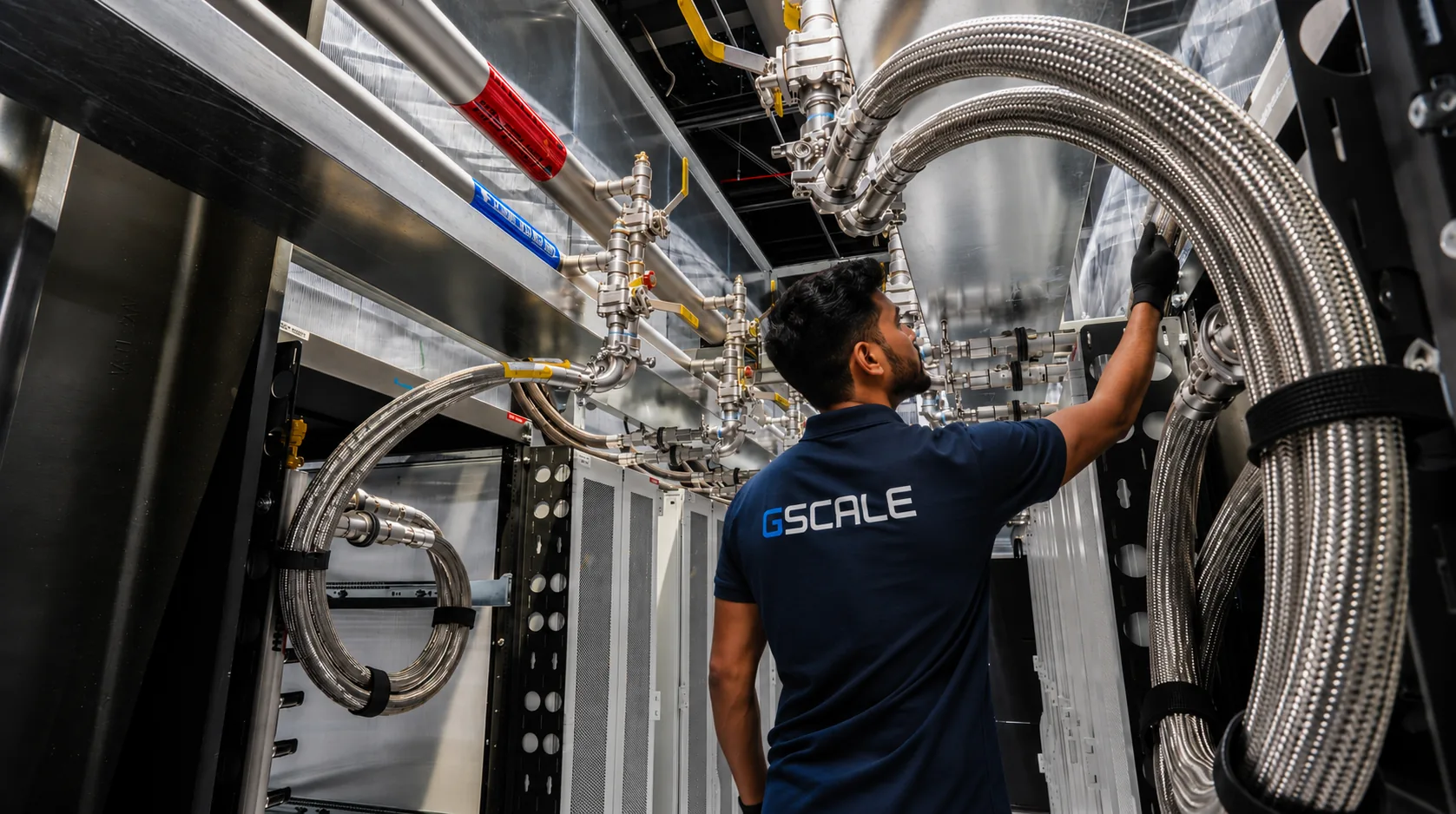
Greenfield or brownfield — designs engineered for ease of construction and value engineering, not just specification compliance.
A recognised, stage-by-stage framework with clear gates — every stage signed off before the next begins.
Every number calculated and checked, not guessed — coordinated across all disciplines with early clash checks.
Standard, repeatable, modular building blocks — easier to build, faster to deliver, simpler to run.
Gated design reviews and independent peer checks, to recognised standards — proven right before it moves on.
We question every part of the design to cut cost — without lowering reliability. We question every dirham of extra cost, but never cut reliability to save money.
We plan and check costs from the start, and remove waste before it goes into the drawings.
We model energy and water use (PUE / WUE) and improve the design to cut running costs too.
A second expert review to remove over-design — while keeping the site reliable.
Technical reviews and project monitoring that banks and lenders accept.
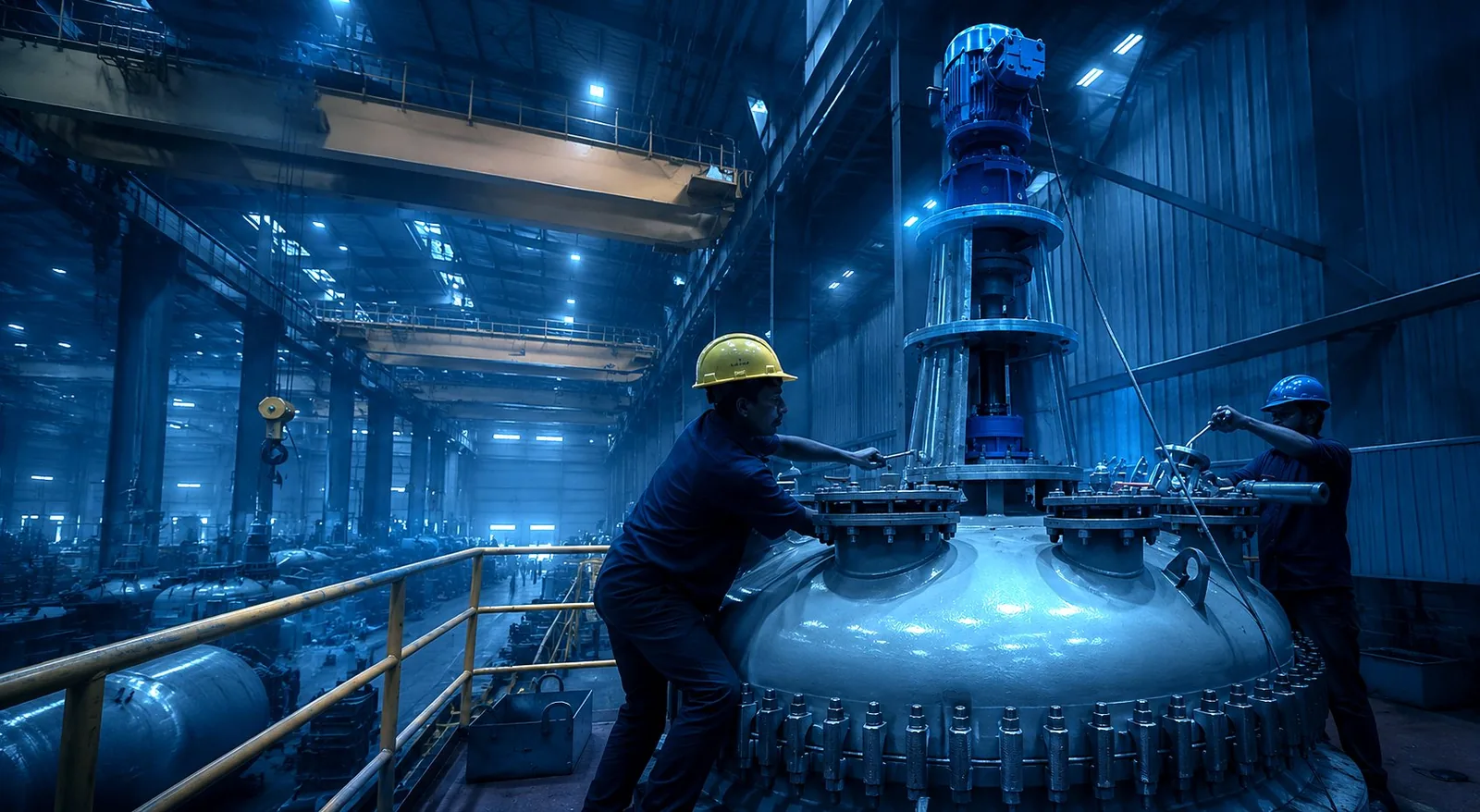
We manufacture power, cooling and modular systems in-house — so you avoid supplier mark-ups on every MW, and control the timeline instead of the import queue.
We make power, cooling and modular systems ourselves — designed and manufactured in-house, for the world.
Because we manufacture the equipment ourselves, we control the timeline — and the import cost comes off your price per MW.
The one asset shared across every part of the platform is our leadership — the kind that takes decades to earn.

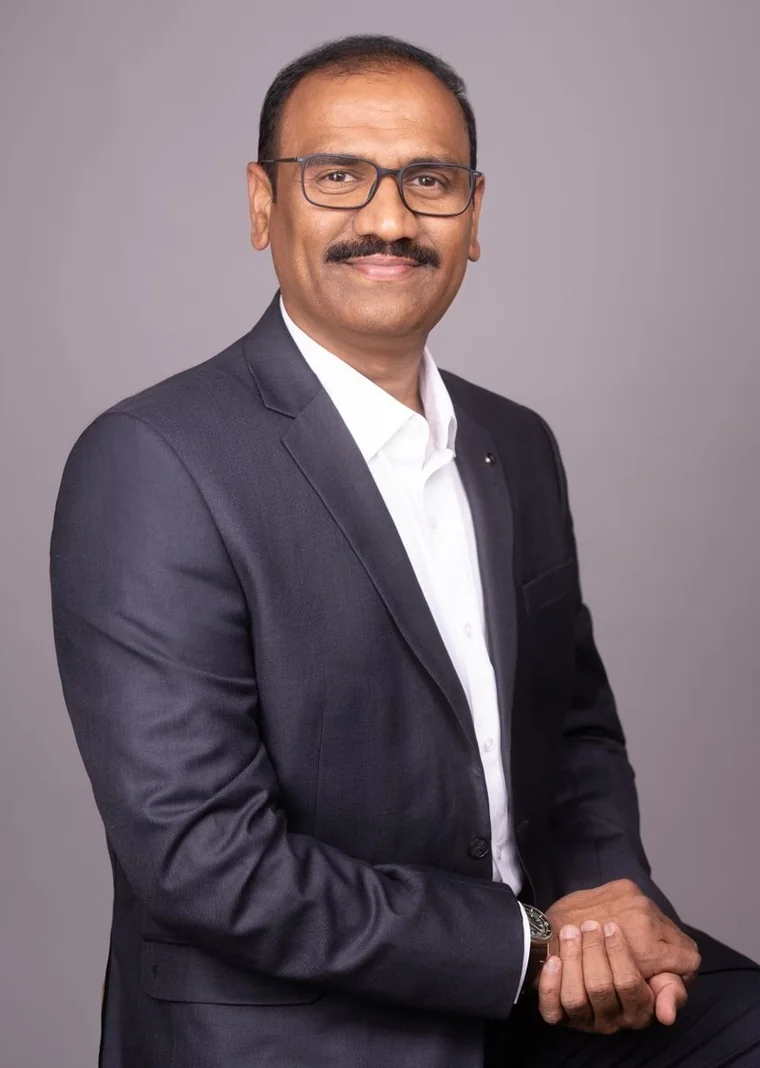
A 25-year veteran of India's data center industry and, for 18 years, the founding infrastructure executive of CtrlS Datacenters — where he owned the full lifecycle: power, cooling, fire, civil, commissioning and operations. The record below reflects his personal delivery history — the operating discipline GScale is built on.
Standard Engineering Technology Limited (NSE: SETL) — a listed, profitable manufacturing company in operation since 2013 — is GScale's parent group.
SETL brings Japanese pedigree via Asahi Glassplant, its second-largest shareholder.
No wasted MW or over-built systems.
More MW on the same land.
No import cost or supplier mark-up.
Less rework, fewer change orders.
Lower cost per MW · more MW per hectare · faster to go live · lower total cost.
Whether you're planning your next facility or want a bank-ready review of a design already underway — let's work out your cost per MW.